12
Nov
Understanding Mind & Body Connection
Even as a tech-savvy person, you may know that you should be tracking your sleep, steps, heart rate, productivity and workouts, but may still feel stressed, tired, unfocused and uncomfortable in your body. This is because we are not always looking at the whole picture and how our nervous system, habits, emotions and physical health interact with each other.
Here at PainBeGone, we provide holistic wellbeing sessions such as guided Qi Gong sessions, natural health coaching, energy balancing, sound healing, and lifestyle coaching to help you reduce pain, balance your body, increase energy and improve your overall mental and physical wellbeing.
What is the Mind Body Connection?
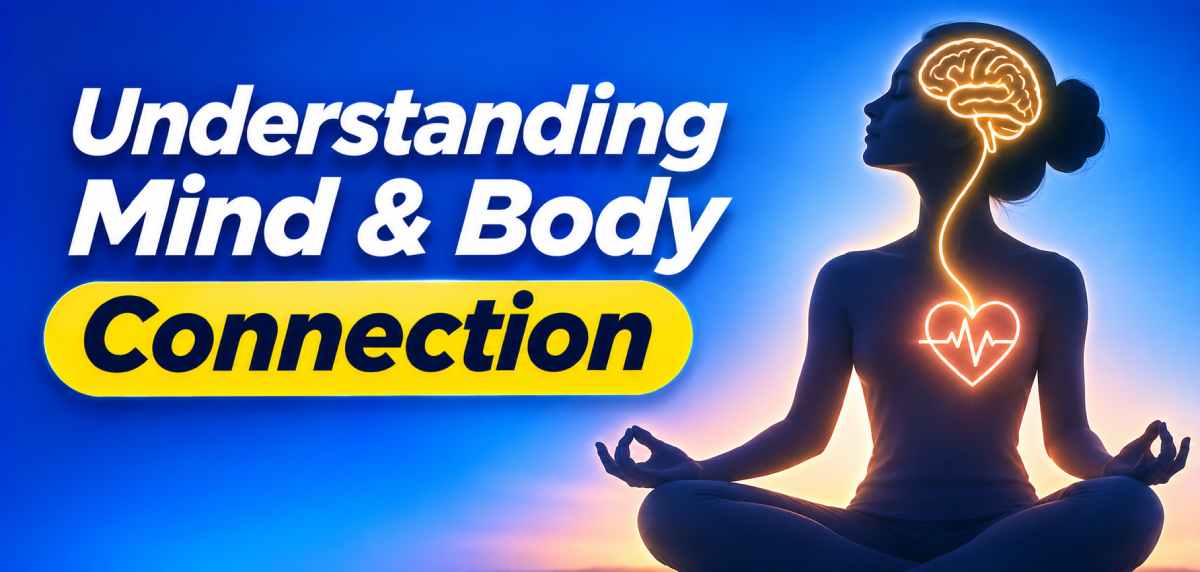
The ‘Mind-Body Connection’ is how the brain, nervous system, hormones, immune system, muscles and organs interact and talk to each other.
When you feel threatened by something, such as a tight deadline, difficult conversation or worrying thoughts, you will begin to feel physical symptoms. This could include an increased heart rate, shallow breathing, muscles tensing up and an increase in stress hormones like cortisol and adrenaline. Although this can help us to focus and stay active for short periods of time, if we are constantly in a state of stress, this will cause strain on our body.
Studies have shown there is a strong link between mental health and the ‘mind-heart-body connection’. (American Heart Association) Improving our mental wellbeing can help our physical wellbeing. Constant stress can cause increased inflammation and a reduction in immunity.
This doesn’t mean it is always your thoughts and emotions that are causing issues with your health, but they are definitely linked. Often, if we don’t look at our mental and physical health together, we may be missing a piece of the puzzle.
Stress is Physical
Stress is often seen as a mental health issue, but actually it is a physical issue. You may feel your shoulders and jaw tense, headaches, difficulty sleeping, discomfort in your digestive system, feel tired and increased sensitivity to pain.
Constant stress can cause your body to be on high alert constantly. This can cause issues with your digestion, sleeping, muscles, immunity and emotional wellbeing. Long-term stress responses can cause strain on your body, including your gut, heart, brain and immunity. (Brown Health)
Being sat at a desk for long periods of time can cause poor movement patterns due to stress. This could cause you to slouch towards your screen without realising, clench your jaw during meetings and feel tension in your neck and shoulders. This can cause stiffness and discomfort.
The intention isn’t to get rid of stress completely, as this would be unrealistic. However, the intention is to get your nervous system to be healthy and able to cope with pressure and come back to a balanced state.
Thoughts, Emotions and Physical Feelings
Often your body is more connected than you think. When feeling stressed, you will feel physical feelings. This can impact your mood, motivation and how you feel about your day.
For example, if you wake up with a tight neck and think “This is going to ruin my day,” your body will tense up more. If you become aware of how you are feeling, adjust your posture, take slow breaths and get some quick movement, you will be sending a different message to your nervous system.
By practising mindfulness, you can stop this cycle. Evidence has shown that mindfulness and cognitive behaviour can help reduce inflammation and improve wellbeing. (U.S. Department of Veterans Affairs) Relaxation therapies can also help reduce stress, anxiety and chronic pain.
Wellness isn’t just about being positive; it is about becoming aware, regulated and having tools to help your mind and body connect.
Why Movement is Good for Mental Health
Movement is often seen as a way to help us to be fitter, keep a healthy weight and build strength. However, it plays an important role in regulating your emotions and nervous system.
Gentle movement can help relieve tension in your muscles, improve blood flow, improve mobility and give you a sense of control. Practices such as Qi Gong can help those who feel disconnected from their body due to stress, pain or busy lifestyles. It involves gentle movements, breathing and focus.
PainBeGone offers guided Qi Gong sessions to help you become balanced, improve mobility, improve focus and improve your overall physical and mental wellbeing. Our sessions include gentle movements, mindful breathing and natural wellness techniques to help reduce pain and increase your energy.
You don’t need to do a big workout to benefit. Just take a few minutes to focus on your breathing, stretching, walking or doing some Qi Gong. Just keep it consistent.
Sleep
One of the most obvious ways your mind and body are connected is through sleep. Often, if you aren’t sleeping well, you will struggle with concentration, your mood, pain threshold, immunity and physical recovery. If you are stressed, it can be difficult to sleep.
A racing mind can cause your body to stay in a state of alert. Physical discomfort, tension or pain can cause issues. Often, if you only focus on one element, it won’t be as effective.
Instead, create a routine to help both your mind and body recover. Try having a regular bedtime routine, limiting screens before bed, gentle stretches, breathing exercises and focusing on any tension. If you are still struggling with pain or ongoing sleep issues, seek professional help to find out what is contributing.
PainBeGone offers wellness sessions that include practices to help improve your sleep, increase energy, reduce stress and improve emotional balance. We use Qi Gong, holistic wellness and personal guidance to help you.
Pain is real, important and sometimes indicates that you need to see a medical professional. Pain is also a complex sensation and will be influenced by your brain, nervous system, stress levels, sleep, beliefs and emotions. Two people with similar physical issues can have quite different experiences of pain.
It is not simply a ‘mental’ issue, but rather that the whole person is involved in processing your pain. High levels of stress can increase sensitivity to sensations of discomfort. Fear, frustration and lack of good quality sleep can make symptoms feel more intense. Research into stress and inflammation has shown that psychological distress can affect biological processes related to pain and chronic illness.
A holistic approach will take all of these factors into consideration.
Their mission statement says they aim to “provide individualised holistic care that addresses the underlying causes of discomfort whilst supporting long-term healing and wellness.” They have a great team of professionals who have experience in many areas, including remedial massage, acupuncture, physiotherapy, osteopathy, traditional Chinese medicine and shiatsu.
A Smarter Approach to Wellness
For people who value data, optimisation, and efficiency, wellness can easily become another performance metric. You may chase the perfect routine, the ideal sleep score, or the most productive morning. But wellness is not about controlling every variable. It is about creating a system that supports resilience.
A smarter approach includes:
- Paying attention to early signals such as tension, fatigue, irritability, poor sleep, or reduced motivation.
- Using movement as a daily regulation tool, not only as exercise.
- Building recovery into your schedule rather than treating it as a reward.
- Practising breathing or mindfulness to help shift the nervous system out of constant alert mode.
- Seeking support when pain, stress, or fatigue becomes persistent rather than pushing through it.
These are not dramatic interventions. Their value comes from repetition. Small, consistent actions can influence both mental and physical health over time. Research summarised by Brown Health suggests that even modest improvements in diet, physical activity, and sleep can meaningfully support mental and physical wellbeing.
How PainBeGone Can Support Your Overall Wellness
We know everyone is a whole person, and we can offer tailor-made treatment and sessions to help you manage your pain, improve mobility, reduce stress, develop healthy habits and feel more at ease in your body.
Our treatments include Qi Gong, pain relief, balancing your energy, sound and vibration therapy, lifestyle coaching and happiness coaching to improve your energy levels, mood, sleep, emotional regulation, self-confidence and overall well-being.
If you have chronic pain or are feeling increasingly stressed, we can help you along your recovery journey. Our team specialise in offering tailor-made treatments using a variety of techniques to help you feel better.
The best wellness plan for you might not be a complicated one, but something that acknowledges the link between your mind and body and can be easily incorporated into your daily life. Something that will help build your capacity.
Simple Ways To Build Your Mind-Body Connection
You don’t need to completely change your life to start working with your mind-body connection. Simply start with one small practice.
Try taking a few slow breaths and some gentle movement before you turn on your laptop. Take note of any areas of tension you have whilst working and take a short break to reset before it causes you pain. Don’t see the movement as a punishment for not moving, but as a way to get back in touch with your body. When you feel stressed, ask yourself what you are thinking, but also what your body is doing.
If you are experiencing regular discomfort, stress, poor sleep or low energy, then a holistic wellness professional can help you take a step back and look at the bigger picture. We can provide bespoke advice to help reduce your pain, bring balance back to your life and work towards long-term health.
Conclusion
Your body and brain communicate continuously. Stress causes tension; poor sleep can cause mood issues and pain. Pain can cause concentration and emotional issues. When you work on improving your overall wellness, these problems will be less of an issue.
Instead of adding more apps, trackers and optimisation techniques, the most effective way of improving your health could be listening to what your brain and body are telling you. By providing a practical and consistent approach to looking after yourself with the correct support, such as PainBeGone’s personal wellness services, you can improve your symptoms and create a better-balanced, resilient and energetic lifestyle.