02
Oct
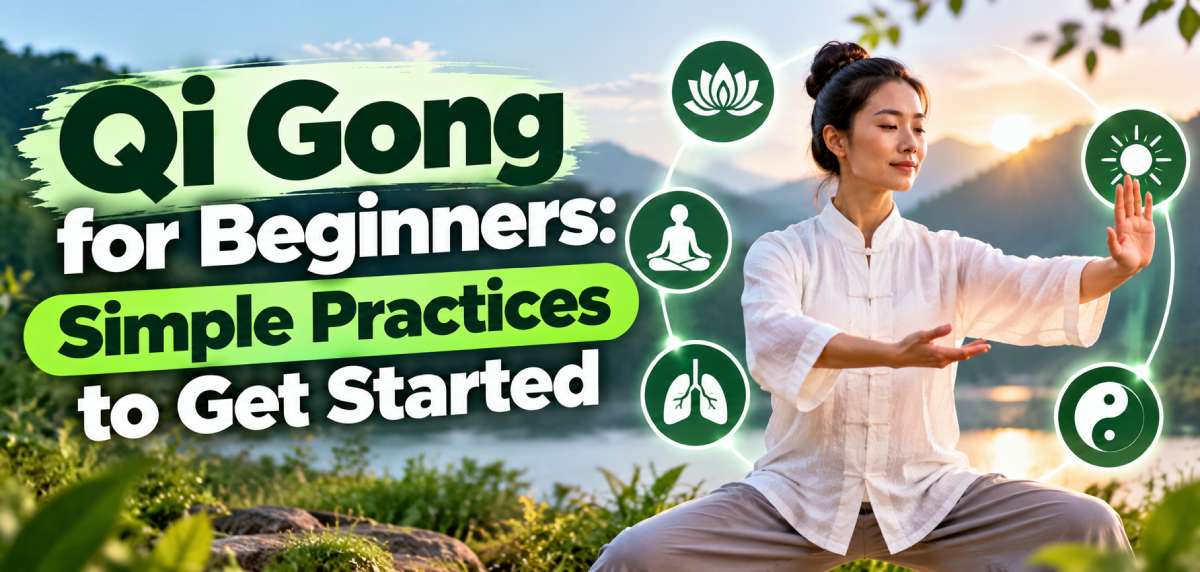
Qi Gong for Beginners: Simple Practices to Get Started
Qigong is a physical exercise that includes breathing exercises, positioning, movement of the body, and meditation. This practice is perfect for beginners since it does not require one to visit the gym, purchase any equipment, perform intense workouts, or have very flexible joints. Practising Qigong for a few minutes allows one to step out of an intense daily routine, regain connection with one’s body, and create new rhythms in life.
Spending lots of time sitting at desks, having video calls, commuting, or using electronic devices, the body is prone to building up tension without even realising it. Stiff shoulders, tight neck, sore hips, short breaths, and nervousness can signal the need for variation in physical activities. Qigong provides an opportunity for those seeking a way to add gentle physical activities to their lifestyle without much effort.
PainBegone team believes that a healthy lifestyle should be convenient, flexible, and sustainable. Therefore, simple practices like Qigong can become valuable practices for those who want to improve their movement ability and reduce physical tension.
What Is Qi Gong?
Qigong or Qi Gong is an old mind/body practice of the Chinese culture and has been in existence for thousands of years. Qi Gong is made up of two words, “qi” meaning “life energy,” and “gong” meaning “practice.”
Modern Qi Gong has become very popular because of the numerous advantages in physical activity, relaxation, body awareness, breathing, and stress relief. A standard Qi Gong training session usually includes stationary stance, slow arm movements, transfer of weight between legs, or even a single move synchronised with breathing in and out.
Qi Gong is not about forcing your body into difficult positions. It encourages you to move with control and comfort. You do not need to perform every movement perfectly, and you do not need to compare your range of motion with anyone else’s. The practice is designed to help you notice your body, not judge it.
That is one reason Qi Gong can be especially appealing to beginners. It offers a calmer alternative to high-impact workouts while still helping you develop consistency, mobility, and confidence in movement.
Why Qi Gong Is Helpful for Beginners
The initiation of any type of wellness practice may seem to be a daunting task. People think that the practice must involve physical effort or some sort of intense workout to be considered fruitful. Qi Gong breaks down this misconception by proving that the practice of mindful movements can play a significant part in one’s overall wellness.
It is convenient for beginners as there are no restrictions in its application. You can do it for five minutes in the morning, during the intermission between meetings or as a part of winding down routine in the evening. The majority of movements can be modified according to one’s fitness level and even done sitting down.
The routine of daily practice will definitely assist in developing posture awareness. For those people who spend most of their time working at a desk or using mobile devices, it is extremely important. The slow movements of the arms and spine can help you relax your shoulder and upper back muscles. The process of weight shifting will assist in improving balance awareness.
Qigong may also help you slow your breathing. People under stress or pressure tend to breathe shallowly without even knowing it. It is a good idea to spend several minutes moving in tune with the breath, as it gives a moment of respite and helps the body unwind from the state of tension.
We at PainBegone are always stressing the importance of sustainable movement as opposed to bursts of vigorous activity. It is possible that a simpler exercise routine practised daily would prove more effective than a very complex one which cannot possibly be sustained.
Qi Gong, Yoga, and Tai Chi
Qi Gong is sometimes categorised alongside yoga and Tai Chi as a practice which combines physical movements and breath control. Though they are somewhat similar, there are aspects unique to each.
In yoga, there are sequences involving postures, stretches, and transitions between them. Yoga styles vary from simple and relaxing to challenging and strenuous. Tai Chi is a Chinese martial art usually done in slow and fluid motions. It often involves longer sequences of connected movements that require more memorisation.
Qi Gong usually feels simpler for complete beginners because it often uses repeated movements instead of long forms. You may lift and lower your arms several times, slowly turn your body from side to side, or stand quietly while paying attention to your breath.
This simplicity does not mean that Qi Gong is any less useful. On the contrary, it can actually help you detect tension patterns that would normally go unnoticed since they occur without your active participation. Thus, you may find out that you clench your fists when working or tense your shoulders when under stress. Qi Gong creates a space to observe and gradually change those habits.
How to Prepare for a Qi Gong Practice
One of the greatest aspects of Qi Gong is that preparation is minimal. Dress in comfortable clothes, which will help you perform the exercises. Prepare a place where you will be able to stand with some distance between your arms and your body. It could be helpful to have a chair nearby if you need one due to your balance or desire to use it.
Start with a comfortable position. Stand up straight with your feet a little wider than your hips. Your knees must be slightly bent, without being locked. Let your hands hang naturally at the sides of your body. Feel as if your head is moving up and your shoulders are going down.
Do not try to breathe deeply. Just let it happen naturally. Stop the exercise if you experience dizziness, shortness of breath or discomfort during the practice.
Additionally, you might try removing all possible distractions. Mute your phone, ignore work emails, and be unreachable for some time. As for the person who spends a lot of time using technology, such practice could turn out to be quite beneficial.
A Simple Beginner Qi Gong Routine
Start by standing quietly for one or two minutes. Feel your feet against the floor and notice where your body feels tight, tired, or restless. You do not have to fix anything immediately. Simply observe.
Next, try a movement often called opening and closing. As you inhale, slowly raise both hands in front of your body to chest or shoulder height. Keep your palms facing downward, elbows soft, and shoulders relaxed. As you exhale, gently lower your hands back to your sides.
Do the same movement slowly six to 10 times. Visualise yourself making this movement in water. Do not rush, lock your elbows, or lift your shoulders up to your ears. In case of shoulder pain, reduce the movement range. You can lift your hands up to the level of your waist and still benefit from the gentle movement.
Afterwards, place your hands in front of your chest as if you have a ball between your palms. Hold one hand a little bit higher than the other. Remain in this posture for a few breaths, then change the positions of your hands.
This very simple pose will aid you in relaxing your hands, wrists, arms, and chest. This pose is particularly beneficial for those who spend a large amount of time typing, texting, scrolling, and using the computer mouse. Most people have extra tension in their fingers and forearms, which they might not even be aware of.
Now start shifting your weight to the sides gently. Keep your feet on the floor and gradually shift a little more weight to your right foot. Then slowly shift to your left foot. Repeat this action for one or two minutes.
Try to keep the movement smooth and controlled. You are not swaying dramatically or leaning heavily into one hip. Instead, you are simply exploring how weight transfers through your feet and legs. If balance feels uncertain, rest one hand lightly on a chair or wall.
Finish with a gentle torso turn. Allow your arms to hang loosely by your sides, then rotate your upper body slightly to the right and then to the left. Let your arms swing naturally with the movement. Keep the range of motion small and comfortable.
It may be quite refreshing after having sat for a while, as it involves some movements in the upper back area and waist. Nevertheless, in case twisting results in pain or worsening of a previous injury, you should omit this exercise and consult a specialist.
End your practice by standing quietly again. You can place your hands over your lower abdomen or let them rest by your sides. Take three relaxed breaths and notice how you feel. Your body may feel warmer, looser, calmer, or simply more present. There is no “correct” outcome.
How Often Should You Practice?
For most newbies, it will take between five and 15 minutes to start developing the routine. The main thing is consistency, not intensity. Practising Qi Gong on a daily basis for a brief period of time is easier than performing long sessions occasionally.
It is possible to perform the practice either before work, during an afternoon slump, or at the end of the day when you need to shift from work. It is much easier to stick to the routine by connecting the practice to some habits. For instance, it will be great to perform the practice right after preparing tea in the morning or just before turning the laptop on.
Eventually, one will need to get involved in the more complex practice of Qi Gong. However, there is no need to hurry. The basics such as comfortable posture, relaxed breathing, slow movement, and regular concentration will be sufficient.
Using Qi Gong as Part of Your Wellness Plan
Qi Gong can be considered an effective complementary treatment method in a healthy lifestyle; however, one should never consider it an alternative to medical treatment under any circumstances. In case you suffer from any sudden, acute, worsening, or unidentified pain, as well as in case you have sustained some kind of trauma or illness recently, consult your health care professional.
In case of chronic pain and discomfort, a wider approach may prove more effective than single therapies. At PainBegone, we assist people to develop a realistic and pain-savvy plan of health that will suit them. It can involve gentle exercise, ergonomic adjustments, postural instruction, restorative practices, mobility training and professional assistance if required.
For example, in case your shoulders and neck hurt after a long session at the computer, Qi Gong can be a great way for you to develop a relaxing practice of gentle movements. Alongside proper ergonomics of the workspace, regular breaks during work and special exercises.
The aim is not perfection. It is to build awareness early, respond to your body with care, and create habits that support long-term comfort.
Conclusion
Qi Gong is a beginner-friendly exercise for those who are willing to move slowly, breathe consciously, and experience deeper connection with their bodies. It does not take much time and requires neither high physical condition nor any specific preparation.
Begin with the simplest movements, leave your breathing natural and pay attention to your bodily sensations. As a result of consistent practice, Qi Gong can turn into a useful routine of your daily life.
PainBegone will guide you through the best techniques for enhancing your mobility, alleviating stress, and developing a positive outlook on physical activity. Should you have difficulty with desk work or need to ease into a program, then try Qi Gong.