14
Nov
How Positive Thinking Can Help Improve Your Lifestyle
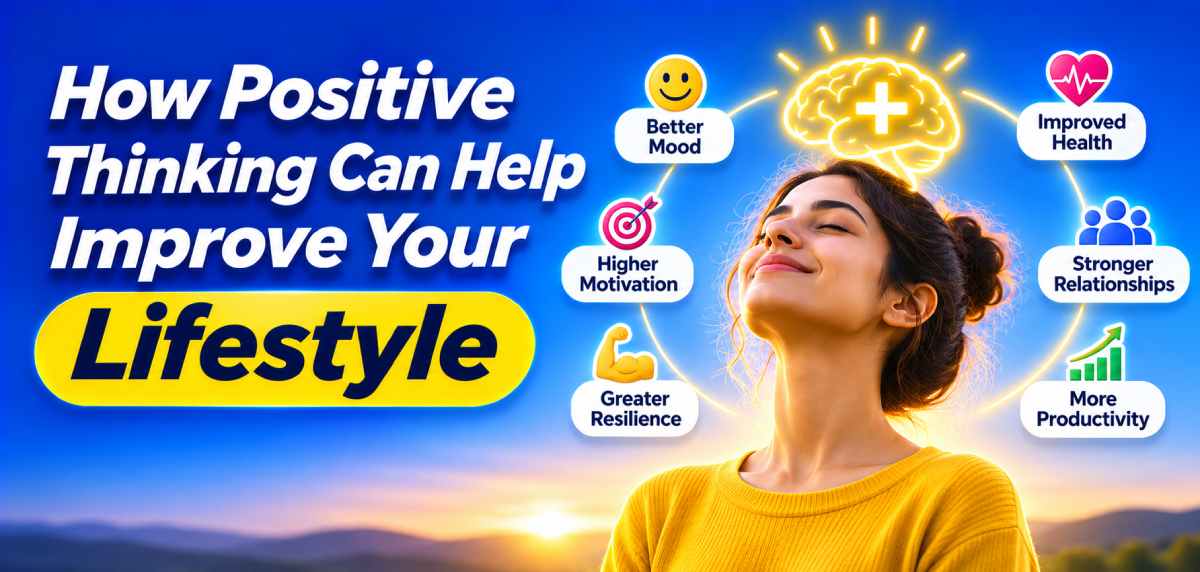
Positive thinking does not mean putting your head in the sand and ignoring any issues that arise. Instead, positive thinking helps you to think clearly, become resilient and concentrate on what you can control. In this modern world, you can think of positive thinking as your own internal operating system. Whilst it will not solve all the obstacles you may face, research has shown that positive thinking can help improve your healthy habits, reduce stress and improve your general wellbeing.
We believe positive thinking is a part of a healthy wellness lifestyle. We offer many services, including Qi Gong wellness, natural health coaching, success hypnosis, energy healing, sound and vibration therapy and lifestyle and happiness coaching to help you form healthy habits.
What Positive Thinking Actually Means
Positive thinking is about focusing on the positives. It is about being able to change your outlook and being positive. It is not toxic positivity. Toxic positivity is when you are trying to stay super positive and not feel any pain, sadness or stress. Instead, it is about acknowledging the problem and asking yourself what you can actually control.
If you wake up with back pain, you may feel like your day has been ruined. But you could look at it positively by saying, “This is uncomfortable, but I can rest, adjust my movement, seek guidance, and take one helpful step today.” This will not magically make your pain go away, but it helps stop it from taking you down a negative spiral.
This is an important mindset to have. Research shows that if you are positive, you are more likely to persevere, adaptively cope and make positive changes to your health. You will be more likely to plan, find useful information and be more consistent with your recovery/self-care.
Mind and Body Connection
Your thoughts, emotions and physical health are linked. If you are constantly worrying, your body may be tense and over time this can impact your energy, focus, digestion, sleep and motivation to exercise.
By having a positive mindset, you can break this cycle by reducing the negative inner dialogue. This will help you make more considered decisions such as going for a walk, cooking a healthy meal, stretching, going to bed earlier or booking a wellness consultation. The Mayo Clinic notes that positive thinking is often associated with less distress/pain, improved coping strategies and healthy lifestyle habits such as more physical activity.
A positive mindset isn’t a cure for health issues. Genetics, environment, access to healthcare, injuries and long-term conditions all impact your health. However, having a positive mindset will increase your likelihood of doing the things that will help you.
Why it Matters in a Modern World
With technology, there is more access to information about health. Unfortunately, this can lead us to become distracted, compare ourselves to others and feel overwhelmed. We are constantly being distracted by notifications, working from home via messaging apps and comparing ourselves to others on social media.
Having a positive mindset can help you manage this by treating it like an internal update. Just as you would update your calendar, tidy your inbox and update your devices, you can update your internal messages.
A great tip is to treat negative thoughts as pop-up notifications. When they come up, simply acknowledge them and decide if they need your attention. If your inner voice is saying “I always fail at exercise,” you can challenge it with “I have struggled before, but I can start with a 10-minute walk today.” This is not lying to yourself but reframing it in a more accurate and useful way.
How to Build a Positive Thinking Habit
Just like exercising or learning a new skill, practising positive thinking will help improve your mindset. You don’t need to be overly positive straight away. Start with small habits you can do regularly.
Start your day with one achievable goal. Rather than just saying “be positive,” try something you can track. For example, drink some water before your coffee, go for a short walk after lunch, stretch for 5 minutes or have a 10-minute screen-free period before bed. This helps you feel like your choices make a difference.
Take a short time at the end of your day to reflect. What went well? What have you learnt? What can you do tomorrow? This is similar to an update. You aren’t pretending everything is perfect, but you are looking at ways you can improve. This will stop you from making the same mistakes.
Practising gratitude can also help. You don’t need to ignore the bad times, but noticing the good can help. This could be a supportive friend, a comfy home, a peaceful moment or improvements in your mobility. This helps counteract our brain’s natural negativity.
Positive Thinking & Pain Management
Positive thinking can be really beneficial if you suffer from ongoing pain. However, it is important to be compassionate. We understand pain is real and no one should be told to “think it away.” The aim is to reduce the fear, loneliness and helplessness that can make your pain worse.
Having a positive mindset can help you focus on what you can control. This can include gentle movement, breathing exercises, improved sleep, professional support and realistic goals. Research suggests that those with an optimistic outlook are more likely to cope well and be more willing to take part in rehabilitation/self-care, improving their quality of life.
At PainBeGone, we take a holistic approach to wellness. Our services include gentle movement, mindful breathing and natural wellness techniques to help you manage your pain, improve your mobility, boost your energy and improve your overall wellbeing.
If you suffer from stiffness or ongoing tension, our Qi Gong-inspired movement and breathing can help. We can also offer coaching/hypnosis to help you challenge any negative beliefs you may have around pain, stress and your capabilities. This will help you feel more confident, mobile and involved in your wellbeing.
Hypnosis & Coaching
Many people think hypnosis is about losing control. However, modern therapeutic hypnosis is more about a focused state of mind. It can help you identify any patterns in your thinking, reduce stress and help you focus on your intentions.
We offer Positive Thinking & Success Hypnosis as part of our wellness services. This programme can help with overcoming any subconscious barriers you may have that are impacting your health, happiness, relationships and confidence with money. This can include changing your automatic thoughts from “I cannot stick to healthy habits” to “I can build one small habit at a time.”
Success hypnosis isn’t a magic wand, and results will vary. However, it can be a useful tool to help you stay focused, motivated and visualise. Just as athletes visualise their performance, you can use guided relaxation and setting intentions to prepare your mind for healthier habits.
Lifestyle & Happiness coaching can also help. A coach can help you take your general goals, such as reducing stress or moving more, and turn them into realistic weekly goals. This is really useful for busy professionals.
Positive Thinking with Movement, Breathing & Mindset
Practising positive thinking can be enhanced by focusing on how you are using your body. Although you may not be able to change your situation, you can often change how you breathe, hold your posture, move and recover.
A good way to incorporate this is gentle movement such as Qi Gong. This can really be a beneficial method if you find high-intensity working out intimidating. At PainBeGone, we use gentle movement, mindful breathing and natural wellness methods to help you reduce pain, increase mobility, increase energy and improve your overall wellbeing.
Starting with breathing can be a good place to begin. If you are stressed, your breathing can become fast and shallow. Practising a few deep breaths will let your nervous system know you are in a safe environment and give space between your trigger and response. You can then respond in a healthier way.
Moving can help boost your positive thinking. Doing a short walk, stretch or mobility can improve your mood and reduce your tension. This shows you that you can take care of yourself and will build your confidence over time.
Positive Thinking & Creating A Healthier Cycle
Positive thinking works best when you are doing something. A good cycle to practice is recognising your negative thought, reframing it into something that you can control, doing a small action and seeing what happens. This will make you feel in control.
If your goal is to improve your sleep, you can take your negative thought “I will never fix my sleep,” and turn it into a positive action. This can include not having your phone in your room, dimming your lights 30 minutes earlier and practising some deep breathing. Even if your first night is not perfect, you will have some valuable information to work with and can adjust your routine.
This will fit in perfectly with your tech-savvy mind. You are not expecting yourself to be perfect but are instead looking to iterate. Trying out your new habit, seeing what happens and making improvements. Positive thinking will encourage you to keep trying, and healthy habits will show you that you can make positive changes.
Avoiding Toxic Positivity
A healthy positive mindset should include being realistic. If you are dismissing symptoms, not getting the correct medical help or putting yourself in unsafe situations due to thinking things will be fine, then you are suffering from positivity.
There is positive evidence that optimists have better health; however, researchers do note that correlation does not always mean causation. You may be feeling optimistic because you are already healthier, have a good support network and less stress. The best way to ensure you are doing the right thing is to use positive thinking alongside professional advice, prevention and healthy lifestyle changes.
If you are suffering from chronic pain, sudden/severe symptoms, mental health issues or a condition affecting your everyday life, it is important to get qualified medical help. Positive thinking can help you be more consistent with engaging with this, but it should not deter you from getting the right diagnosis/treatment.
Conclusion
Positive thinking can help improve your lifestyle by changing how you think about challenges. It can help you manage your stress, be more consistent with doing actions, recover from setbacks and stay focused on your goals. It should not be viewed as a substitute for exercise, eating well, sleeping, medical help and professional treatment, but it can make it easier to implement healthy foundations.
At PainBeGone, we focus on practical wellness. We can help you reduce your pain, increase your mobility, increase your energy and create a more positive mindset around your health. We offer Qi Gong Wellness, Natural Health Coaching, Success Hypnosis, Energy Healing, Sound & Vibration Therapy and Lifestyle & Happiness Coaching to help your mind and body in a realistic way.
You do not need to completely change your lifestyle. Start with one thought, take a breath, go for a walk or make a small change. Positive thinking can be a powerful tool when used as a habit. It will help you be patient, curious and confident in showing up for your health.