24
Nov
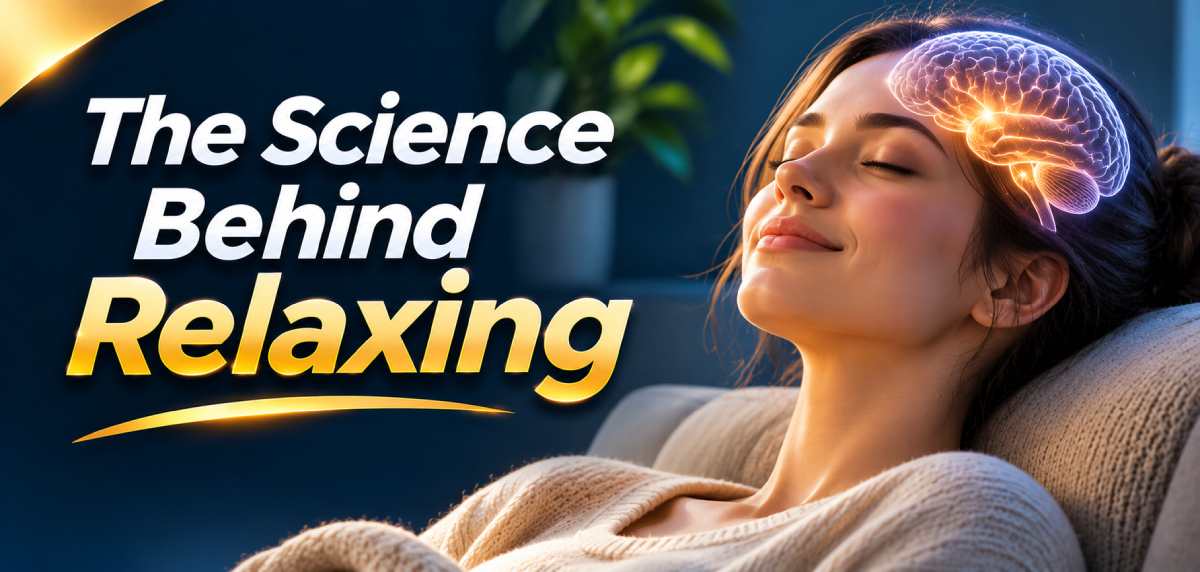
The science behind relaxing
Alongside using smart devices to monitor sleep, automating business processes and researching new longevity advice, you can further augment your health by practising relaxation strategies. This is not merely a luxury or a ‘feel-good’ tool; indeed, it is highly supported and one of the most affordable ways to positively influence numerous aspects of our health, including our stress, sleep, immunity and even heart health.
Whilst many see relaxation as something that is done to us – for example on holiday, at the weekend and whilst scrolling through social media – in fact, it is a skill that can be learnt. As with other skills, it can then even further enhance itself with continued practice. In this blog, I will outline the physiological and psychological benefits of relaxation, identify the most beneficial strategies, and explore how even the most hectic lifestyle can incorporate relaxation. Finally, I will highlight how expert bodywork, such as that provided by PainBegone, can further facilitate and speed up relaxation and thus, health improvement, where self-guided relaxation is insufficient.
What happens when you relax?
Relaxation strategies activate the so-called ‘relaxation response’. This is a physiological reaction to the ‘fight or flight’ response that the majority of us are in for much of each day. Activating the relaxation response causes a slowing of the breath, lowering of heart rate and subsequent drop in blood pressure. Although this may appear mild, there are substantial health implications.
Our bodies remain in a hyper-aroused state due to long-term exposure to stress hormones – cortisol and adrenaline. Over time, this can result in inflammation, poor sleep, digestive problems, compromised immunity, and even increased pain sensation. Fortunately, relaxation strategies combat this.Relaxation offers several health benefits. Research shows that it can support immune function, reduce depression and anxiety, and improve overall quality of life. A randomised controlled trial involving older adults examined the effects of a Benson relaxation response programme. Participants reported fewer negative emotions, reduced symptoms, and better quality of life after completing the programme. These benefits remained evident at the three-month follow-up.
To further illustrate this, imagine your nervous system is constantly running software in the background. Relaxation strategies essentially enable you to proactively delete high-resource, stress-related software before it causes an overload.
Evidence – relaxation and quality of life
Research has repeatedly indicated that relaxation is an efficient, safe and simple method for both stress reduction and quality of life enhancement. Analysis of patients with cardiovascular disease and hypertension has revealed that relaxation is an effective strategy for both of these. Likewise, a quasi-experimental study investigating highly stressed university students showed that a structured relaxation intervention significantly lowered participants’ stress levels and notably enhanced their quality of life. Interestingly, the control group, who did not receive the relaxation intervention, experienced a deterioration in their quality of life over time.
In addition to its stress-reducing properties, relaxation has also been shown to influence our experience of pain. Again, this is a major influence on our quality of life. Research has confirmed that relaxation strategies such as progressive muscle relaxation, breathing and guided visualisation not only lower stress, anxiety and depression, but also promote general well-being and relaxation. Furthermore, relaxation has itself been investigated as a therapeutic intervention for chronic pain. It can effectively help people to alter their experience and appraisal of their pain. Even highly specific health conditions such as pre-menstrual syndrome and distress suffered by those undergoing haemodialysis benefit from quality of life enhancement via relaxation strategies, including Benson’s relaxation response, yoga and meditation.
Overall, it is evident that relaxation is a highly efficient, safe and simple strategy that can be easily taught and is a great tool for stress reduction and therefore enhancing both general well-being and mental health.
Most beneficial relaxation strategies
As previously mentioned, not all relaxation methods are equal. Fortunately, the most beneficial are also the easiest to implement.
Simple breathing exercises are amongst the easiest relaxation strategies. Indeed, in some studies, they have been shown to be more successful than mindfulness meditation at both elevating mood and reducing physiological arousal. By consciously and slowly breathing (particularly exhaling), the nervous system can instantaneously be influenced. Consequently, this type of strategy is highly suitable for use in transition times, for instance between appointments and prior to sleep.
Progressive muscle relaxation (PMR) is another widely researched relaxation strategy. As the name implies, it entails deliberately tensing and then relaxing various muscles throughout the body. People often experience physical manifestations of stress, including, for example, taut shoulders, a tight jaw and even tension headaches. PMR can therefore be extremely beneficial for such individuals. It has been shown to effectively decrease symptoms and improve well-being for a wide variety of people.
Although meditation and mindfulness may require little introduction, again the evidence supports the popularity of these strategies. Both yoga and meditation have been shown to positively affect physical, emotional and social aspects of quality of life. Likewise, a large randomised controlled trial highlighted that yoga and mindfulness courses successfully lowered stress in highly stressed adults.
Massage and bodywork
This area of relaxation is unique in that it is both relaxing and therapeutic. Expert bodywork can therefore be highly advantageous. PainBegone is a therapeutic massage business based in Victoria, Texas. Its approach centres on the close connection between relaxation and pain relief. Highly trained therapists use specialised bodywork techniques to ease discomfort while promoting relaxation. This dual approach reflects research highlighting the important role of pain management and relaxation in improving quality of life.
Why include expert bodywork in your life?
Although self-administered relaxation can be very beneficial, there are instances in which it can be insufficient. This is frequently the case where long-term physical stress has resulted in muscular rigidity and/or pain. An expert’s hands are able to achieve what technology cannot.
PainBegone also provides highly diverse expert bodywork services underpinned by a strong evidence base. Alongside hot stone and 100% pure therapeutic-grade essential oil-enhanced deep tissue table massage, they provide a range of other bodywork. This includes Ashiatsu (barefoot) deep tissue massage that applies deep pressure to soft tissues to relieve chronic pain. Thai massage is another option and involves mobilisation to further enhance flexibility and circulation. For those presenting with lymphatic concerns, they provide lymphatic drainage massage, and expectant mothers can benefit from prenatal massage. This has been shown to favourably impact stress hormone profiles, decrease oedema and alleviate neuropathic pain.
Massage Treatments Tailored to Individual Needs
Interestingly, PainBegone even tailors bodywork sessions to individual requirements. Clients can receive a quick 10-minute seated massage for just $15 – perfect for a lunchtime ‘treat’. Alternatively, 90-minute deep tissue massage and package deals including foot reflexology alongside table massage, or their signature Halo head spa treatments for migraine and headache relief, can be booked. They also provide double massages whereby two therapists work on a client simultaneously, effectively doubling the relaxation benefit of one session. With over 570 reviews, all of which award them a 5.0 star rating, and branches in both Victoria and Corpus Christi, PainBegone have established themselves as a highly successful provider.
Customers report highly positive outcomes. One customer explained that following a 60-minute deep tissue couple’s massage, both she and her partner experienced “an extreme change in our mobility and pain” the following morning. Another commented that PainBegone’s upper back and neck focused massage had been effective in alleviating stress-induced headaches that were affecting her sleep. Once again, these are precisely the types of quality-of-life-enhancing health improvements that are associated with regular relaxation in the scientific literature – namely enhanced sleep, diminished pain and increased mobility.
Integrating relaxation into a busy lifestyle
Unfortunately, modern lifestyles are not conducive to relaxation. Often due to time pressures, we simply do not allow ourselves sufficient opportunity for relaxation. Moreover, research has shown that higher stress levels impede our ability to relax. Thus, despite understanding the health benefits of relaxation, we can struggle to make time for it.
As with other areas of life, the best way to embed relaxation into your routine is to begin with small steps and to link it to current behaviours. For example, undertake a two-minute deep breathing exercise each morning before switching on your computer. Likewise, you could perform progressive muscle relaxation or meditate in bed, as you already are there. Just as you would plan appointments, plan time for relaxation, as this is more likely to occur than impromptu relaxation, which frequently falls foul of pressing work commitments. Further, recognise when self-managed relaxation is no longer sufficient. Continued muscular tension, ongoing pain and intractable stress all indicate that expert assistance should be sought.
Indeed, this is often the case for many PainBegone clients. Regular deep tissue massage can be booked to prevent long-term muscular rigidity from developing. Moreover, following particularly screen-intensive periods, a scalp and foot spa treatment can be received to offset stress. Cupping can also be integrated into massage sessions to further ease deep muscular tension. Essentially, expert bodywork acts as a form of ‘reset’ which cannot be achieved through daily self-care routines. Rather than waiting until a problem arises, view expert bodywork as a type of preventative care. From a body perspective, this is markedly more economical than remedial action.
Conclusion – invest in yourself through relaxation.
Undeniably, the evidence from numerous studies has shown that relaxation strategies can successfully enhance quality of life. Benefits include stress, anxiety and depression reduction, improved sleep and immunity, chronic pain alleviation and even favourable impacts on heart health. Within a technologically astute society that continually seeks to optimise all areas of life – nutrition, exercise, productivity and even sleep – relaxation is one key aspect that many people neglect to similarly optimise.
This week, begin by implementing a breathing exercise. Then, as you become more established in this, incorporate additional relaxation strategies such as progressive muscle relaxation and/or meditation. Finally, and importantly, when your body indicates that self-guided relaxation is no longer sufficient, seek out expert practitioners in this field. The highly qualified therapeutic massage professionals at PainBegone in both Victoria and Corpus Christi can conveniently assist you in transitioning from an intermittent relaxation practitioner to someone who regularly experiences the positive effects of relaxation. Undoubtedly, your future self will recognise this as one of your optimum investments – resulting in greater calmness, improved sleep and pain-free movement.